
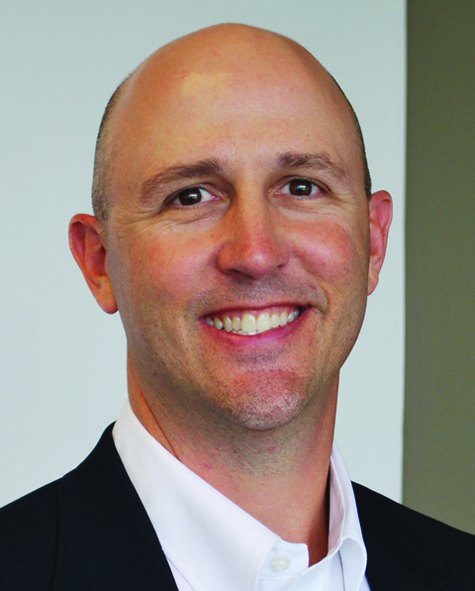
By Jim Forgan, Ph.D.
Licensed School Psychologist
“Did I cause my child’s dyslexia?” After evaluating and diagnosing a young boy with dyslexia, his mother asked me this question. She was worried that something she had done or failed to do, as a parent had contributed to her son’s reading difficulties. Had she not read to him enough? Should she have practiced letters and sounds more? Had she missed the signs of dyslexia? She felt guilty.
My answer was simple: “No. You did not cause your child’s dyslexia.” Research tells us that dyslexia is a neurodevelopmental learning difference with substantial genetic and neurobiological influences. In other words, children with dyslexia are not simply choosing not to read, failing to try hard enough, or struggling because their parents did not provide enough reading practice.
One of the strongest pieces of evidence for a genetic contribution to dyslexia is that it often runs in families. Brain-imaging research has provided additional evidence that dyslexia is associated with differences in how certain brain networks involved in reading and language develop and function.
These findings help explain why a child with dyslexia may work extremely hard at reading yet continue to find certain reading tasks unusually difficult. However, it is important not to oversimplify the neuroscience. There is no single “dyslexic brain” and there is currently no brain scan that can diagnose dyslexia.
Although you do not cause dyslexia, you have an important role in helping your child succeed. The first step is recognizing when your child may need additional support. Early identification helps you understand why your child is struggling and determine what types of instruction and accommodations are needed.
You know your child better than anyone. If your child is working hard but struggling with reading, spelling, or learning letter-sound relationships, your concerns are worth investigating. A dyslexia evaluation is not about finding something “wrong” with your child. It is about understanding how your child learns best, identifying areas of strength and weakness, and determining what support will help them become a more confident and successful reader.
Call (561) 625-4125 to discuss helping your child. We test for dyslexia, ADHD, autism, learning disabilities, processing problems, and more. JimForgan.com.